

Delayed Diagnosis, Fragmented Care, and Limited Treatment Access
Rewriting the Stories of People Living with Pulmonary Arterial Hypertension
Pulmonary Arterial Hypertension (PAH) is a rare, progressive, and life-threatening disease characterized by elevated blood pressure in the arteries of the lungs1. Emerging data suggest that PAH continues to contribute to a meaningful burden of disease across Asia, including preventable morbidity and mortality2. Despite this burden, policy gaps remain for access to timely diagnosis and appropriate treatment3.
Like other rare diseases, insufficient recognition and policy response to PAH contribute to hidden societal costs, including healthcare system expenses, productivity loss, and increased caregiver burden.4,5 In the Asia Pacific region, reimbursement pathways are uneven, diagnostic tools may be limited, and specialist care is concentrated in urban centers. These factors contribute to delayed diagnosis, fragmented care, and restricted access to therapeutic treatment.2

“The suffering endured by PAH patients and their families is immense, often compounded by a long diagnostic journey, fragmented care and financial hardship. Those living with PAH should be afforded access to proper screening for the earliest possible diagnosis, and the appropriate standard of treatment and care available.”
Mark Brooke, CEO, Lung Foundation Australia

Declaration for Action on Pulmonary Arterial Hypertension
Advancing Early Diagnosis, Equitable Access, and Societal Momentum

Recognizing the need to address the systemic barriers faced by the PAH community, the landmark “Declaration for Action on Pulmonary Arterial Hypertension: Advancing Early Diagnosis, Equitable Access, and Societal Momentum” was signed by patient groups, healthcare providers, and non-governmental organizations in Asia Pacific to advocate for the inclusion of PAH within national health and rare disease agendas.
Led by MSD, the Declaration urges policymakers to consider PAH as a policy priority to help reduce the burden of this disease.
Together, we envision a future in which every person living with PAH can benefit from:

Early awareness and accurate diagnosis:
To enable earlier intervention and improved outcomes.

Sustainable and equitable access to appropriate therapeutic options:
Including all available and appropriate options, established and innovative.

Comprehensive, multidisciplinary, and patient-centered care:
Integrating specialist expertise and holistic services, and coordinated support across healthcare systems.

Quality of life and active participation in decision-making:
Upholding patients’ rights to be informed and engaged in decisions affecting their care.
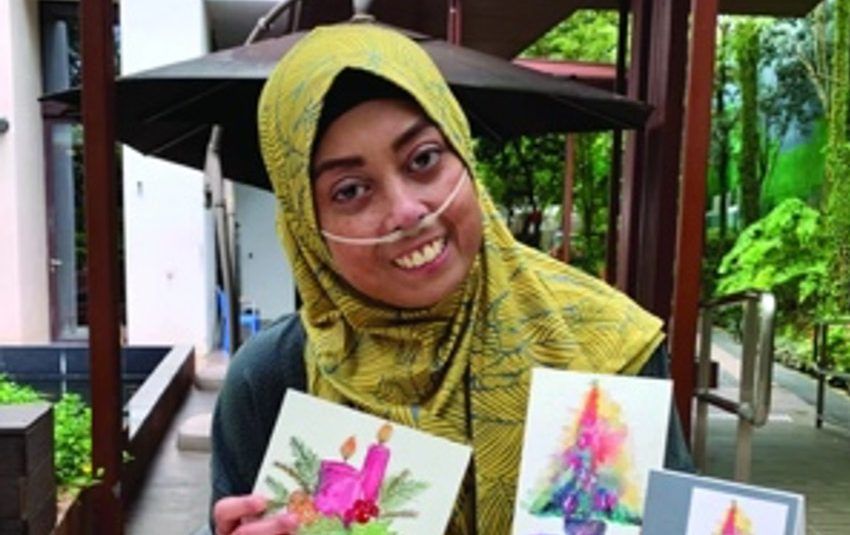
“A Pulmonary Arterial Hypertension patient is more than just their disease. They’re a whole person. What’s important to each of us is receiving person-centered care – one that honors our courage, listens to our journey, and stands with us to transform awareness into understanding and understanding into action.”
Haslina Wanoor, 45 years old, PAH patient and advocate, Pulmonary Hypertension Singapore (PHSG)
Within the scope of each organization’s role and responsibility, this Declaration calls for urgent advocacy in the following areas:

Advancing Awareness and Diagnosis
Launch education campaigns for healthcare professionals to improve disease recognition and referral, in collaboration with relevant medical societies.
Encourage the strengthening of diagnostic pathways and specialist expertise, particularly in regional and rural settings.
Support updates to diagnostic protocols across health systems and advocate for clinical guidelines for common conditions (e.g. heart failure, asthma, COPD) to reference PAH as a potential cause for unexplained symptoms.

Access to Evidence-Based Treatment
Strengthen the voice of patients in treatment decision-making by supporting education and advocacy for patients and caregivers.
Advocate for early access to all available and appropriate PAH therapeutic options, aligning clinical practice with recognized international guideline recommendations.
Support efforts to expand reimbursement for guideline-recommended treatments, and for expanded eligibility for early-stage treatment reimbursement where appropriate.
Support the expansion of reimbursement schemes for rare diseases including PAH, recognizing the financial impact of PAH diagnosis.
Explore and foster innovative, multi-stakeholder solutions to improve treatment access and availability in resource-limited settings.

Accelerate Societal Momentum and System Strengthening
Advocate for inclusion of PAH in national rare disease policies and frameworks to enable broad access to appropriate therapeutic medicines.
Support the introduction of patient-centric frameworks that inform policy, legislation, research, and HTA assessments.
Advocate for the designation and funding of centers of excellence for specialized PAH care.
Call for the establishment of local and regional patient registries to improve transparency and real-world evidence.
Elevate public awareness for PAH by amplifying the patient voice and highlighting the disease burden and unmet needs for financial and social support.

PAH Declaration Signatories
LFA
PHAA
PHSANZ

PHA Korea

KORD

Blue Bird
KSPH

TFRD
PHSG
References
- M. Clinic., “Pulmonary hypertension – Symptoms and causes. Mayo Clinic.,” August 15, 2025. [Online]. Available: https://www.mayoclinic.org/diseases-conditions/pulmonary-hypertension/symptoms-causes/syc-20350697.
- Q. J. W. A. e. a. Huang S, “Burden of pulmonary arterial hypertension in Asia from 1990 to 2021: Findings from Global Burden of Disease Study 2021,” Chin Med J (Engl)., vol. 138(11), pp. 1324-1333, 2025
-
Delcroix M et al. Burden and Unmet Needs in Women with Pulmonary Arterial Hypertension: Multinational Physician Qualitative Study.
Eur Respir J 2024 64(suppl 68): PA4307; DOI: 10.1183/13993003.congress-2024 - Pisana Ferrari et al. Impact of pulmonary arterial hypertension (PAH) on the lives of patients and carers. Eur Respir J. Sep 2013, 42 (Suppl 57) P2631. DOI: 10.1183/09059180.00005713.
- Exposto F et al. Burden of pulmonary arterial hypertension in England: retrospective HES database analysis. Ther Adv Respir Dis. 2021 Jan-Dec;15:1753466621995040. DOI: 10.1177/1753466621995040.